
Selling a home is never simple, but selling a probate property can be especially challenging. Probate properties come with extra steps, legal rules, and emotional stress that make the process different from a regular real estate sale. If you’re involved in selling a probate property, it’s important to understand these unique challenges so you can protect the estate’s value and honor your loved one’s legacy.
This blog explains why selling a probate property is different, clears up common myths, and introduces how Pillar Beacon Partners can guide you through the process.
What Makes Probate Property Sales Unique?
Legal Oversight
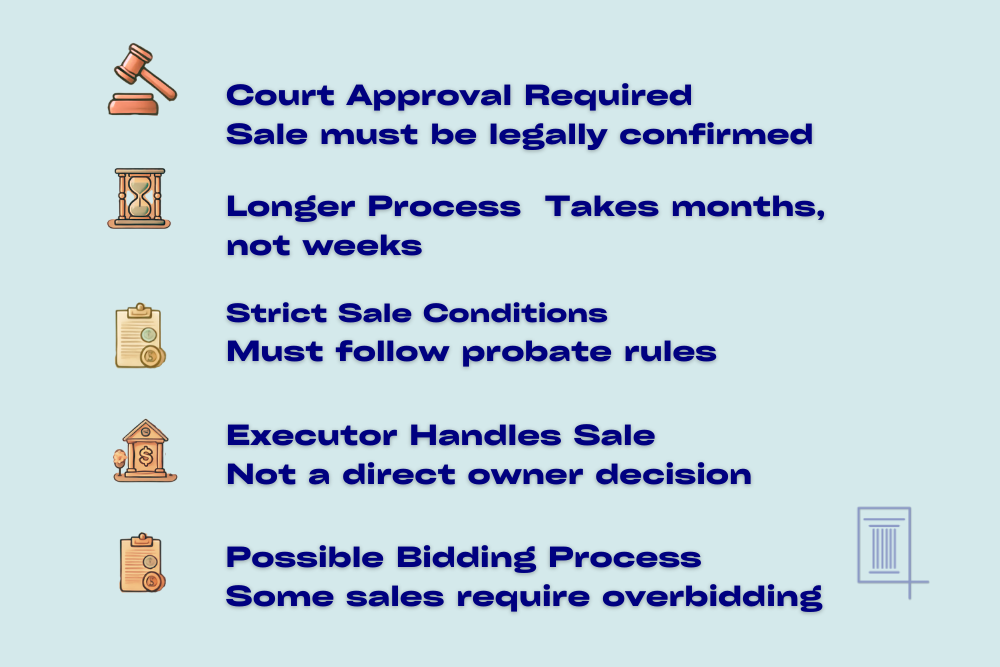
Selling a probate property often requires approval from the probate court. The court ensures that the property sale follows the will’s instructions or state laws if there’s no will. This oversight may include setting the sale price, approving offers, or reviewing financial records. These extra-legal steps add complexity and can make the process take longer than a typical sale. You can learn more about the legal process of selling a probate property in Massachusetts by visiting this detailed guide .

Multiple Stakeholders
Selling a probate property often requires approval from the probate court. The court ensures that the property sale follows the will’s instructions or state laws if there’s no will. This oversight may include setting the sale price, approving offers, or reviewing financial records. These extra-legal steps add complexity and can make the process take longer than a typical sale.
Time Pressure
Executors or personal representatives often face pressure to sell quickly. This urgency might come from court deadlines, financial obligations, or family expectations. Unfortunately, rushing can lead to costly mistakes, such as undervaluing the property or accepting a lowball offer. Taking the time to evaluate options carefully is critical.

Emotional Challenges
Selling a probate property isn’t just a transaction; it’s a deeply personal process. Every room in the house might hold memories, making it hard to focus on practical decisions. Balancing these emotions with the technical aspects of the sale can be overwhelming, especially for grieving families.

Common Myths About Probate Property Sales
Many people approach probate sales with misconceptions that can make the process even harder. Here are a few myths to avoid:
Common Myths About Probate Property Sales
Many people enter the probate sale process with mistaken beliefs that can lead to unnecessary stress, financial losses, or missed opportunities. Understanding the facts can help you make better decisions. Here are some common myths—and the truth behind them.
- The property must be sold quickly. While time pressures exist, rushing into a sale can lead to major financial losses. Taking the time to assess the market and evaluate offers ensures the estate receives the best possible value.
- An appraisal or market analysis isn’t necessary. Skipping an appraisal is one of the biggest mistakes families make. Without an accurate valuation, there’s a high risk of selling the property for far less than it’s worth.
- Any real estate agent can handle probate sales. Not all agents are equipped to manage the complexities of probate real estate. It’s crucial to work with professionals who understand legal requirements and the nuances of the probate sales process.
- The property’s condition determines its value. While condition plays a role, factors such as location, market trends, and zoning laws can have an even greater impact on the final sale price.
- Court approval is always required before any action. While some states mandate court oversight for probate sales, others provide executors and personal representatives with more flexibility. Understanding local probate laws is essential.
If you’re looking for more details on common probate sale myths and why they can be misleading, check out this guide on probate sale myths .
The property must be sold quickly.
While there may be time pressures, rushing isn’t the answer. Selling the property for the right price takes planning and careful evaluation.
This article is shared for informational purposes. See our full disclaimer.
How Undervaluation Happens
- Limited Knowledge of the Local Market:
Executors or personal representatives who live out of state may not fully understand local property values. - Poor Property Condition:
Probate homes are often unmaintained, leading buyers to undervalue them. - Pressure from Quick Sale Offers:
Some buyers or investors may pressure families into selling fast, often at a lower price than the property deserves. - Lack of Professional Guidance:
Without expert advice, families might skip critical steps like getting an appraisal or making repairs to improve the home’s value.
Limited Knowledge of the Local Market:
Executors or personal representatives who live out of state may not fully understand local property values.

How Pillar Beacon Partners Can Help
Selling a probate property doesn’t have to be overwhelming. At Pillar Beacon Partners, we provide expert guidance and support, ensuring families handle the complexities of probate sales with confidence and clarity.
Here’s how we can support you:
- Connecting You with Experts: From appraisers to probate attorneys and real estate agents, we work with professionals who know the ins and outs of probate property sales.
- Providing Tools and Resources: We offer guides, checklists, and advice to help you every step of the way.
- Offering Empathetic Support: We understand the emotional challenges of this process and are here to make it easier for you and your family.
What’s next?
Executors and personal representatives often feel pressured to sell probate property quickly—whether due to court deadlines, financial obligations, or family expectations.
However, rushing the sale can lead to costly mistakes. Such mistakes include undervaluing the property or accepting a lowball offer. Taking the time to evaluate all options carefully ensures the best outcome for the estate and its beneficiaries.
If you’re facing probate property decisions, CONTACT US TODAY for expert guidance and support.