




Probate Real Estate
Probate Real Estate
Guidance
Ownership, Authority, and Property Decisions
Probate Real Estate Transactions
Probate real estate involves understanding property ownership, the personal representative’s authority, ongoing expenses, and requirements for a sale or transfer.
The process may include property valuation, disclosures, court filings, and a court-approved sale. Learn more about the role of property valuation during probate.
Pillar Beacon Partners provides education about property decisions during probate, helping executors, heirs, and families understand the responsibilities involved.


Authority to Sell or Transfer
Before committing estate property to a sale or transfer, establish who has authority to act and what requirements apply. Court approval is required in some circumstances; other transactions may proceed under powers granted by law, the will, or the appointment.

Property Ownership and Probate
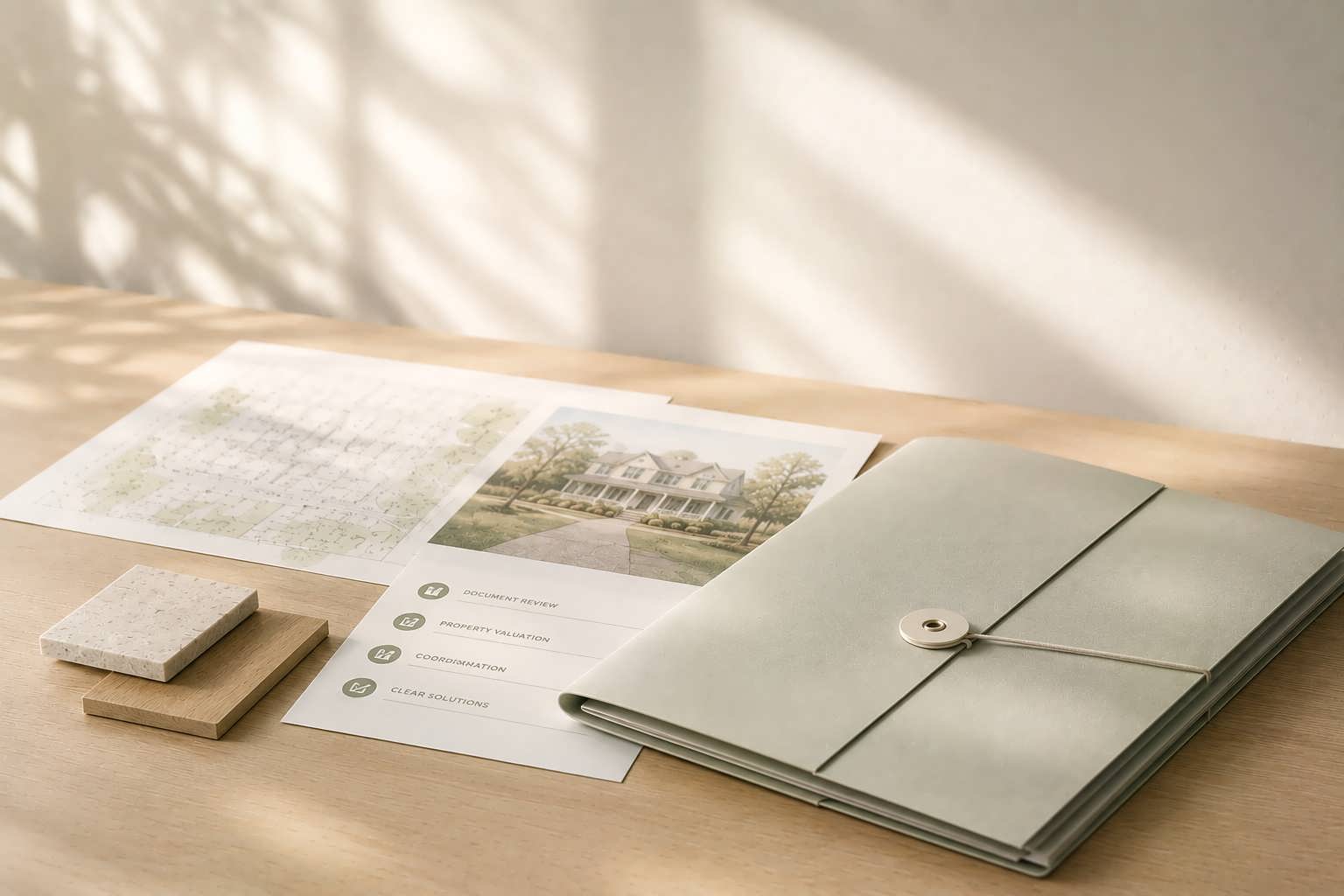
Review the deed and ownership arrangements to determine whether the property belongs to the probate estate. Survivorship ownership, trusts, and other transfer arrangements may affect whether probate is needed.
Property Costs While Probate Is Pending
Insurance, property taxes, utilities, mortgage obligations, and maintenance may need attention while the estate is administered. Identify ongoing costs, available funds, and who has authority to arrange payments.
Repairs and Sale Preparation
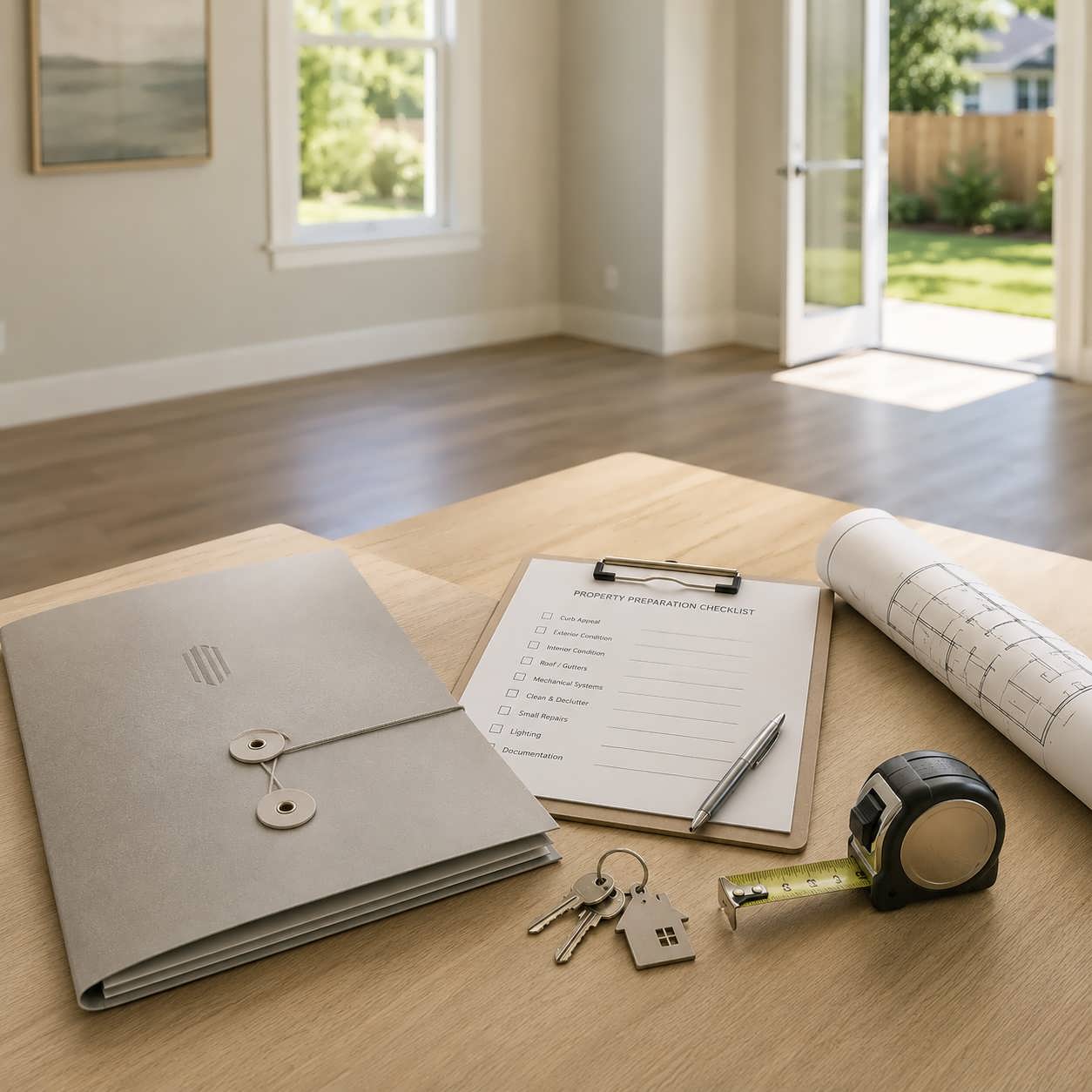
Before committing estate funds to repairs or improvements, consider the property’s condition, expected costs, available resources, and the representative’s authority. Necessary preservation work and optional improvements involve different considerations.

Keeping Beneficiaries Informed
Clear updates about property condition, expenses, valuation, and proposed decisions can help beneficiaries understand what is happening. Required notices and opportunities to object depend on applicable law and the administration procedure.

Understanding the Professionals’ Roles
An attorney can advise on legal authority and requirements. An appraiser can provide a valuation, while a licensed real estate professional may assist with marketing and a sale. Hiring a professional does not transfer the personal representative’s legal duties to that professional.
FAQ
Frequently Asked Questions About Probate Real Estate Transactions
Probate real estate transactions often involve legal requirements, court procedures, and responsibilities that differ from traditional property sales. The questions below address some of the topics individuals and families ask most often.
Select a question to view the answer. If you need additional information, please contact Pillar Beacon Partners.
What is Real Estate Probate?
This term describes how real estate is handled as part of probate administration after an owner dies. Whether a property requires probate depends on ownership, transfer arrangements, and applicable state law.
How Does the Probate Process Work for Real Estate?
The process generally involves establishing authority, identifying ownership, valuing and protecting the property, addressing estate obligations, and completing an authorized sale or transfer. Required filings, notices, and approvals vary by state and proceeding.
What Happens to a Property in Probate?
Property may need to be secured, insured, maintained, and valued while estate matters are resolved. It may ultimately be sold or transferred, depending on ownership, the will, estate obligations, and applicable law.
Can Real Estate Be Sold During Probate?
Yes, when the person handling the sale has the necessary authority and follows applicable procedures. A separate court order confirming the sale is required in some circumstances; other sales may proceed without that confirmation.
How Long Does the Probate Process Take for Real Estate?
Timing depends on estate requirements, title issues, creditor claims, taxes, court schedules, and any disputes. A sale or transfer may occur before the estate closes, but only when applicable requirements are satisfied.
Who Manages the Property During Probate?
For property administered as part of the estate, the appointed personal representative generally handles management within their authority. Ownership arrangements, court orders, and state law may affect possession, control, and particular decisions.
What Are the Responsibilities of an Executor in Real Estate Probate?
The executor handles estate administration, including managing real estate, paying debts and taxes, and distributing assets to beneficiaries.
How Are Real Estate Taxes Handled in Probate?
Property taxes may continue to accrue during administration. Responsibility for payment depends on ownership, estate obligations, applicable law, and any sale or transfer arrangements. Review outstanding amounts and due dates rather than assuming probate suspends payment.
What Happens if There Are Multiple Heirs to a Probate Property?
The property is either divided among the heirs, sold and proceeds divided, or one heir buys out the others, depending on the will or state laws.
Can a Probate Property Be Rented Out During the Probate Process?
Sometimes. The personal representative must have authority to lease the property and follow applicable requirements. Court approval or notice may be required depending on the proceeding and lease terms.
How Is Property Valued and Appraised in Probate?
A professional appraiser is usually hired to determine the fair market value of the property for tax purposes and equitable distribution or sale.
Are There Any Special Considerations for Selling Real Estate in Probate?
Confirm authority to sell, required notices, disclosures, title requirements, and any court approval or confirmation procedures. A probate sale does not automatically require an auction. Procedures depend on state law and the representative’s powers.
How Do You Handle Mortgages and Liens on Probate Properties?
Identify outstanding loans and liens, payment requirements, and any deadlines. A sale or transfer does not automatically remove a lien or make an heir personally responsible for the loan. The servicer, title professional, and attorney can help clarify what must be addressed.
What Legal Documents Are Needed for Real Estate Probate?
Key documents include the will, death certificate, property deeds, and court documents appointing the executor.
Can Probate Real Estate Transactions Be Contested?
Yes, by heirs or beneficiaries who may dispute the will's validity, property valuation, or the handling of the estate.
What Are the Costs Associated with Real Estate Probate?
Costs include court fees, attorney fees, appraisal and property maintenance costs, and potential taxes.
How Can I Avoid Common Pitfalls in Real Estate Probate?
Understanding the probate process, maintaining accurate records, communicating clearly with beneficiaries, and seeking appropriate professional guidance when needed can help reduce delays and misunderstandings.
What Role Does a Real Estate Attorney Play in Probate?
They provide legal guidance, help explain complex probate laws, and help ensure the process complies with applicable legal requirements.
How Does Probate Differ When There Is No Will?
The estate is distributed according to state intestacy laws, which determine heirs and their shares.
What Are the Rights of Tenants Living in a Probate Property?
A landlord’s death does not automatically eliminate tenant protections. Lease terms and applicable state and local law govern rent, deposits, maintenance, notices, and any termination or eviction. The estate’s representative must follow the applicable procedures.
How Do State Laws Affect Real Estate Probate?
State laws dictate probate procedures, heirship rights, and property distribution, which can vary significantly between states.
Can Probate Real Estate Be Transferred to Heirs Without Selling?
Sometimes. A transfer may be possible when consistent with the will, legal entitlements, estate obligations, and applicable procedures. Agreement among heirs alone does not override creditor rights, required approvals, or the representative’s duties.
What Happens to Jointly Owned Property in Probate?
If owned as joint tenants with right of survivorship, it passes directly to the surviving owner(s), bypassing probate.
How Can Probate Real Estate Professionals Help?
Depending on the circumstances, probate real estate professionals may assist with property valuation, preparing a property for sale, understanding local market conditions, and coordinating the transaction within applicable probate requirements. Their role varies based on the estate, the property, and state law.
What Steps Can I Take to Prepare for Real Estate Probate?
Seek legal advice, understand the estate's assets and debts, gather important documents, and consider a probate real estate specialist.
If you have questions or would like additional support, we’re here to help.
Your feedback is welcome and helps us continue refining the guidance we provide.

Understanding Property Decisions
Questions About Probate Property?
Contact Pillar Beacon Partners with questions about our educational resources on property ownership, valuation, expenses, and sales or transfers during probate.
Get in Touch
Questions About Real Estate During Probate.
Use the form below to ask about Pillar Beacon Partners’ educational resources on real estate during probate. A brief description of your question is enough.
Your privacy is important to us. All information provided will be handled with strict confidentiality and used solely for the purpose of this inquiry.