




Legal Expertise for Probate
Legal Expertise
for Probate
Service Overview
Understanding How Legal Roles Fit
In probate, different people become involved at different times. The questions below explain when legal help is needed and what role it plays.

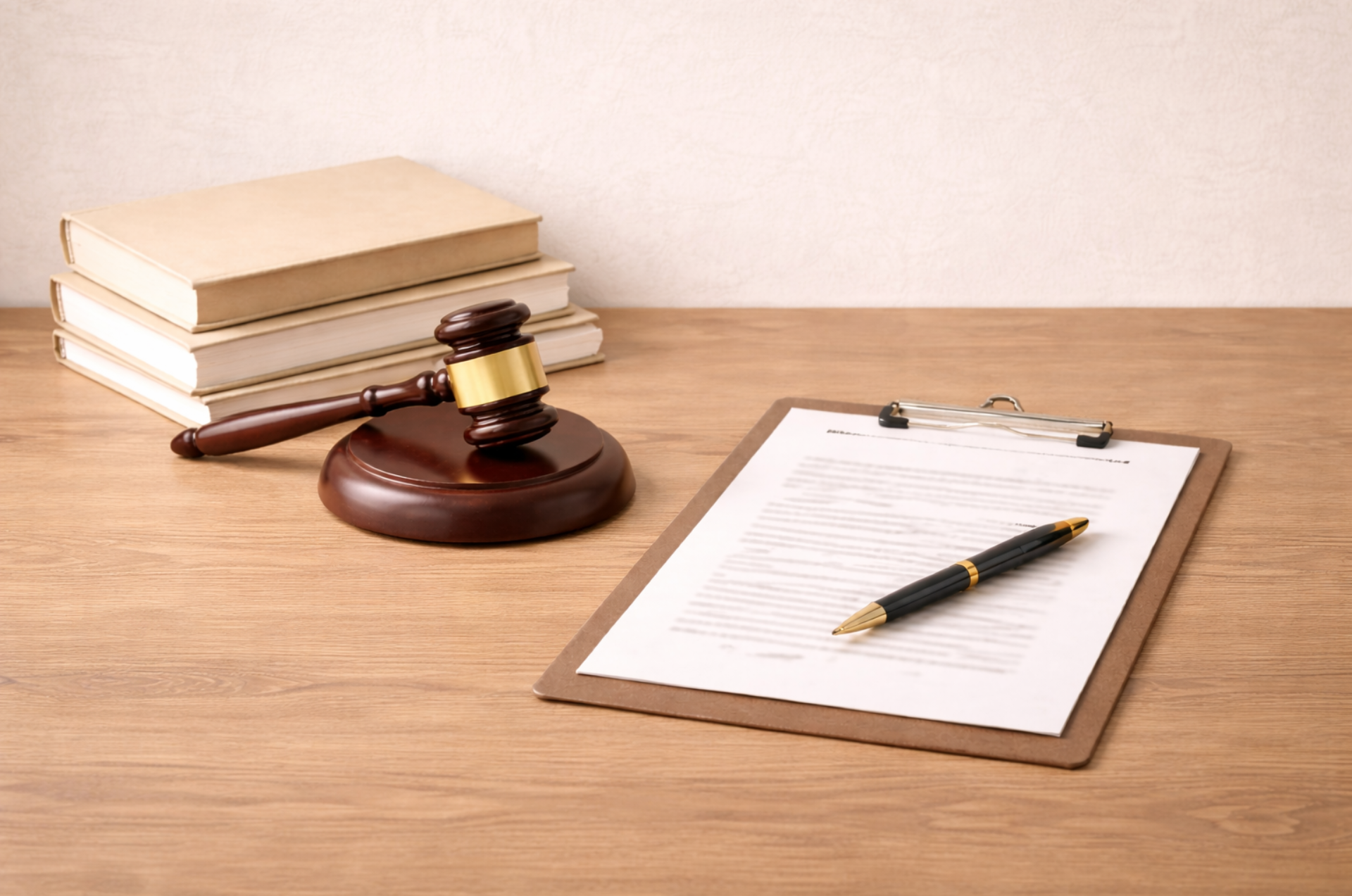
Legal Roles in Probate
Legal roles in probate are defined by authority, timing, and scope. Their function is specific and ordered, operating within a broader sequence of responsibility and follow-through.

Clarifying Responsibility
Responsibility becomes clearer when authority, timing, and scope are identified. This reduces misalignment between decisions and ensures actions correspond to the role held at each stage.

Professional Roles and Boundaries
Professional roles function within defined boundaries. Clear separation of responsibility preserves order, prevents overlap, and ensures each role operates at the correct point in the sequence.

Initial Legal Orientation
Initial legal orientation establishes where responsibility currently sits and what sequence applies next. This step clarifies timing, authority, and the scope of legal involvement before actions are taken.

Continuity Through the Process
Continuity is maintained when responsibility is tracked across decisions, handoffs, and outcomes. This prevents gaps between roles and reduces downstream consequences once formal steps are underway.

When Legal Involvement Begins
Legal involvement begins when responsibility requires formal authority and documented action. This point varies by situation, but sequence determines when legal roles enter and how they function within the broader process.
FAQ
Frequently Asked Questions About Probate Attorneys
What is a Probate Attorney?
A probate attorney is a legal professional whose role is defined by court authority and statutory procedure. Their function centers on administering the estate within the probate process, including filings, distributions, and compliance with legal requirements.
What Is an Executor or Personal Representative?
An executor or personal representative is the person responsible for handling someone’s estate after they pass away. This person takes care of tasks like paperwork, payments, and distributing property.
What Does an Executor or Personal Representative Do?
They gather information about the estate, pay bills, handle required paperwork, and make sure property is distributed properly. They act on behalf of the estate until everything is settled.
When Should I Hire a Probate Attorney?
A probate attorney is usually needed when court paperwork must be filed or when there are disagreements about the estate. Their role begins when the situation can’t move forward without court involvement.
What Are the Signs of Executor Misconduct?
Problems can appear when an executor does not share information, causes unexplained delays, or handles estate matters for personal benefit. Missing records, lack of updates, or actions that don’t match the executor’s role are common warning signs.
What Services Does a Probate Attorney Provide?
A probate attorney helps with court paperwork, court hearings, and resolving disagreements related to an estate. They handle tasks that require court involvement so the process can move forward.
How Can a Probate Attorney Help Me?
A probate attorney handles tasks that must go through the court. They take care of paperwork and court steps that others are not allowed to do.
What Are the Costs Associated with Hiring a Probate Attorney?
Costs vary based on how much work is involved and how complicated the situation is. Some attorneys charge a flat fee, while others charge by the hour, depending on what needs to be done.
Can a Probate Attorney Help if There's No Will?
Yes. When there is no will, a probate attorney can help with court steps needed to handle the estate. They assist when decisions must be made through the court because written instructions are missing.
What If Someone Cannot Find the Will?
If a will cannot be found, the estate is handled based on standard rules used by the court. The process can still move forward, but decisions may take longer.
How Can Heirs Protect Themselves from Executor Misconduct?
Heirs protect themselves by staying informed and asking for regular updates about the estate. Problems are more likely when information is withheld, records are missing, or actions are delayed without explanation.
Can an Executor Be Removed from Their Role?
Yes. If an executor does not do the job properly or misuses their role, others can ask the court to review the situation. If the court agrees there is a problem, the executor can be replaced.
Can an Executor Be Sued by Heirs?
Yes. If an executor causes harm by acting dishonestly or mishandling the estate, heirs can ask the court to step in. This can happen when money is missing, records are unclear, or actions go against the executor’s duties.
Is an Executor Required to Communicate with All Heirs?
Communication is part of responsible oversight when authority is held on behalf of others. Breakdowns occur when information is withheld, delayed, or disconnected from the sequence of decisions and follow-through.
Are Executors Paid, and Can Heirs Object to the Fee?
Yes. Executors are often paid for the work they do. Concerns can arise if the fee seems too high compared to the work performed, and heirs may raise questions if the amount does not appear reasonable.
How Long Does the Probate Process Take?
The length of probate varies. It can take longer when there are many assets, missing information, or disagreements that slow decisions down.
Can Property Be Sold During Probate?
Yes. Property can often be sold during probate if it is needed to pay bills or distribute assets. In many cases, court approval or proper paperwork is required first.
What Happens After Probate Is Finished?
Once probate is finished, remaining property is distributed and the executor’s role ends. After that, no further court steps are usually required.
When Do Heirs Receive Their Inheritance?
Heirs usually receive their inheritance after debts, taxes, and required steps are completed. This can take time, especially if paperwork or disagreements delay the process.
Is It Possible to Avoid Probate?
Sometimes. Probate may not be needed if plans were made ahead of time. When clear instructions and arrangements are already in place, court involvement may not be required.
How Do I Choose the Right Probate Attorney?
Choose someone who regularly handles probate cases and explains things clearly. It helps to work with an attorney who communicates well and fits the needs of your situation.
What Should I Bring to My First Meeting with a Probate Attorney?
Bring any documents you already have, such as a will, a list of assets, and basic information about the estate. Having this information helps the attorney understand the situation more quickly.
Do I Need a Probate Attorney for a Small Estate?
Sometimes. Even small estates may need a probate attorney if court paperwork is required or problems arise. It depends on how simple the situation is and whether court involvement is needed.
What Happens if Someone Contests the Will?
When a will is contested, the process can slow down. Decisions may be delayed while the issue is reviewed and resolved through the court.
Can Probate Take Place Without Going to Court in Person?
In many cases, yes. Much of the process can be handled through paperwork, though some situations may still require court appearances.
How Are Probate Attorney Fees Paid?
Probate attorney fees are often paid from the estate rather than out of pocket. How payment works depends on the situation and how the estate is handled.
What Are Estate Funds?
Estate funds refer to the money and assets left behind by someone who has passed away. These funds are used to pay debts, cover probate expenses, and distribute inheritances to beneficiaries as outlined in the will or according to state law.
Can a Probate Attorney Help with Out-of-State Property?
Yes. When property is located in another state, extra court steps may be required. A probate attorney can help handle those additional steps so the property can be addressed properly.
What if the Estate Has More Debts Than Assets?
When debts are greater than what the estate owns, not all bills may be paid. A probate attorney can help handle the court steps needed to sort out what happens next.
What If the Executor Lives in a Different State Than the Deceased?
An executor can live in a different state. However, handling the estate may involve extra court steps or paperwork because of the distance. A probate attorney can help manage those added steps.+
How Do Probate Attorneys Work with Executors or Personal Representatives?
A probate attorney helps executors or personal representatives handle court paperwork and required court steps. They support the executor when actions must go through the court so the estate can move forward properly.
What If There Are Disagreements Among Beneficiaries?
A probate attorney can mediate disputes among beneficiaries, aiming to find fair resolutions while protecting the estate’s integrity. Disagreements can slow the process and delay decisions. A probate attorney can help address issues through the court so the estate can move forward.
Can a Personal Representative Choose What to Distribute to Heirs?
No, a personal representative (or executor) must follow the instructions in the will or, if there is no will, state laws. They do not have the authority to distribute assets based on personal preference or good intentions. Their legal duty is to act in the best interest of the estate and its rightful heirs.
Can an Executor Refuse to Share Expense Records with Heirs?
No, a personal representative is expected to keep detailed records of all estate-related expenses and may be required to present an accounting of those expenses before distributing assets. While laws vary by state, transparency is a legal and ethical duty. Heirs have the right to request an accounting, especially if they suspect mismanagement. Failing to disclose expenses can lead to legal consequences, including court intervention or removal of the executor.
What Can the IRS Do If Estate Taxes Are Not Paid, and How Long Can They Act?
If estate taxes are not paid, the IRS can take action to collect what is owed. This may include claiming estate property or holding the executor responsible if money was distributed too early. The IRS usually acts within a set period, but in some cases, it can revisit unpaid taxes later.
Find the Right Probate Attorney
Preparing to Speak With a Probate Attorney
Pillar Beacon Partners provides probate education to help you understand legal roles, identify questions, and prepare for a conversation with a licensed attorney. The attorney can explain the requirements that apply to your estate and state.
Get in Touch
Questions About Probate
Your privacy is important to us. All information provided will be handled with strict confidentiality and used solely for the purpose of this inquiry.