





How to sell probate property requires court authority before any listing or transfer can occur. When asking how to sell probate property, it is important to understand that the process begins with formal appointment through the probate court. Without that authority, no valid sale can move forward.
For a structured overview of how these transactions function within estate administration, see Probate Real Estate Transactions .
Understanding How to Sell Probate Property Legally
Before selling probate property, the estate must be formally opened in probate court.
- If a will exists, the court appoints the executor.
- If no will exists, the court appoints a personal representative.
Until that appointment is issued and formal authority is documented, no listing agreement or purchase contract can be legally signed. This appointment is the legal starting point for how to sell probate property correctly.
Authority is the foundation of every probate sale real estate transaction.
Who Has the Legal Right to Sell a Probate House?
Once appointed, the executor or personal representative controls the estate’s real property.
Heirs do not automatically gain the right to sell. Even if multiple heirs are involved, the legally appointed representative manages the sale process.
Selling probate property requires:
- Court-issued authority documentation
- Compliance with estate obligations
- Observance of any restrictions written in the will
These structural rules define how to sell probate property within probate administration.
Does the Court Always Have to Approve the Sale?
Not every probate house sale requires a court confirmation hearing.
In some administrations, once authority is granted, the executor or personal representative may proceed with listing and accepting an offer without further approval.
In other cases, probate sale real estate transactions require:
- Notice periods
- Court review
- Public overbid procedures
The type of probate granted determines whether confirmation is required. This distinction directly affects how to sell probate property in that estate.
The Step-by-Step Structure of Selling Probate Property
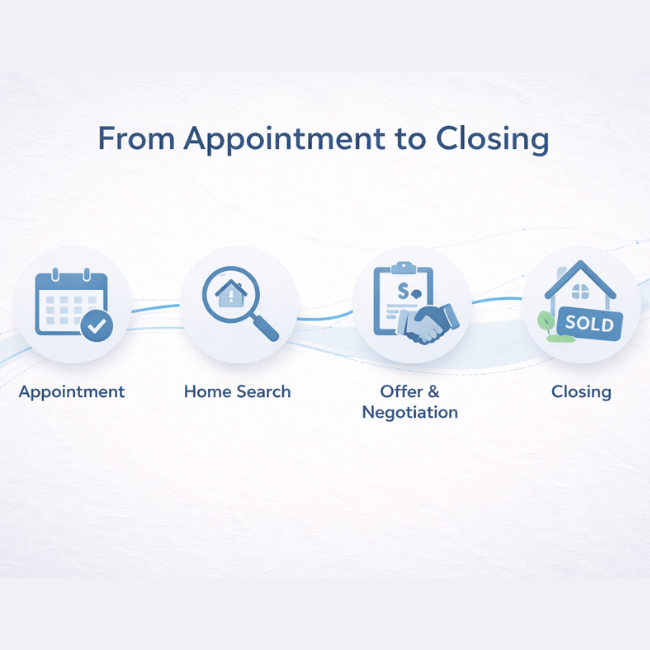
Once authority is confirmed, how to sell probate property follows a defined procedural order.
- Secure and maintain the property
- Determine fair market value
- Disclose probate status to potential buyers
- List the probate house for sale
- Review and negotiate offers
- Complete any required court confirmation steps
- Close escrow and transfer title
The sale proceeds then return to the estate, not directly to heirs.
From there, funds are used to address debts, taxes, and distributions according to the estate’s structure. The real estate portion is only one stage in understanding how to sell probate property properly.
What People Often Misunderstand About Selling Probate Property
“Probate properties always sell below market value”
Value depends on pricing strategy, property condition, and market exposure—not probate status alone.
“The house can be sold immediately”
No sale can occur before legal authority is issued.
“All heirs must approve the listing”
The appointed executor or personal representative has decision-making authority.
“Court approval is required in every case”
Court confirmation depends on the specific type of probate administration granted.
Misunderstandings about how to sell probate property often arise from confusing probate procedure with traditional real estate practice.
When Selling Probate Property May Be More Complex
- The property is located in another state
- The estate has substantial debt
- The will limits sale authority
- Disputes arise among heirs
- Multiple properties are involved
- The estate qualifies for simplified probate procedures
Each factor can affect timeline, documentation requirements, or court involvement. These variations influence how to sell probate property within different estate structures.
How Probate Sale Real Estate Differs From a Standard Transaction
- The seller is an estate, not an individual
- Authority must be verified
- Court oversight may exist
- Estate debts influence decisions
- Distribution occurs only after estate obligations are satisfied
Understanding how to sell probate property requires recognizing that the transaction exists within estate administration, not outside of it.
This article is provided for general informational purposes only and does not constitute legal or financial advice.