





Financial Matters After a Loved One Passes
Receiving an inheritance brings new responsibilities. Understanding how to manage inherited assets is essential to maintain financial stability and preserve the legacy of the deceased. This guide outlines clear steps for handling inheritance money responsibly.
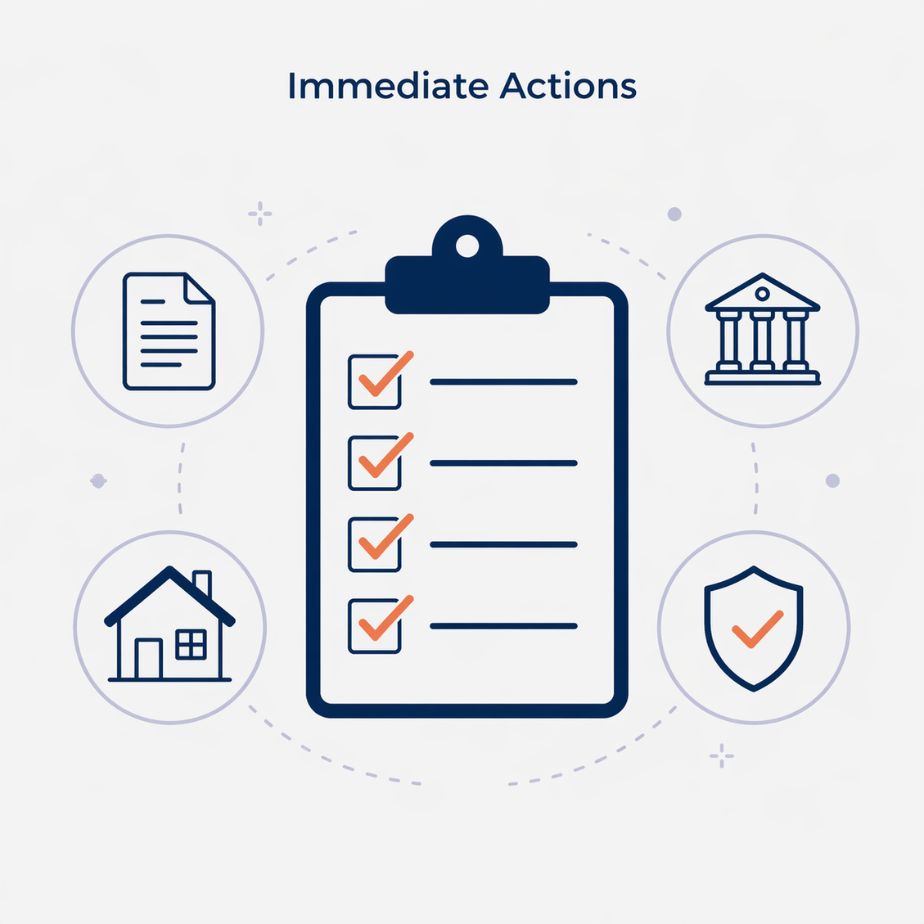
Immediate Actions
- Obtain certified copies of the death certificate and other legal documents.
- Notify financial institutions to secure accounts.
- Make an inventory of all inherited assets, including real estate and personal property.
- Protect property from loss or unauthorized access.
- Update insurance information and submit necessary claims.
Understanding Financial Responsibilities
Managing financial responsibilities requires addressing obligations such as debts, taxes, and creditor claims. Prompt and thorough attention helps prevent complications. Consider consulting financial advisors or estate planning professionals early to guide you through tax filings, liability assessments, and compliance.
Responsible Management of Wealth
Inherited assets should support long-term stability rather than immediate consumption. Develop a financial plan balancing current needs and future goals, including retirement, education, and charitable contributions. Structured planning ensures assets are preserved and grown responsibly.

Family Communication and Legacy Protection
Inheritance can affect family dynamics. Clear documentation and open communication reduce misunderstandings and disputes. When needed, seek professional guidance or mediation to maintain harmony and reflect the intentions of the deceased.
Investing Inherited Assets
Investing wisely helps protect and grow inherited assets. Evaluate your risk tolerance and long-term objectives. Diversify across asset classes such as stocks, bonds, real estate, and mutual funds. Engage a financial advisor to tailor an investment strategy to your specific goals.
Planning for Future Generations
Responsible inheritance management includes consideration for future beneficiaries. Use estate planning tools such as wills, trusts, and beneficiary designations. Regularly review and update plans as circumstances and goals change to ensure continued alignment with your intentions.
Short-Term Roadmap: First 1–2 Months
- Secure and inventory all assets.
- Notify banks, creditors, and insurance companies.
- Consult financial professionals.
- Establish clear record-keeping practices.
This content is for general informational purposes only and does not constitute legal or financial advice. Laws vary by state. Consult a qualified professional for guidance specific to your situation.