




When someone passes away, phone calls and letters from creditors can arrive. This can feel overwhelming. Many loved ones wonder: Are we expected to pay these bills ourselves?
Debts Are Paid from the Estate
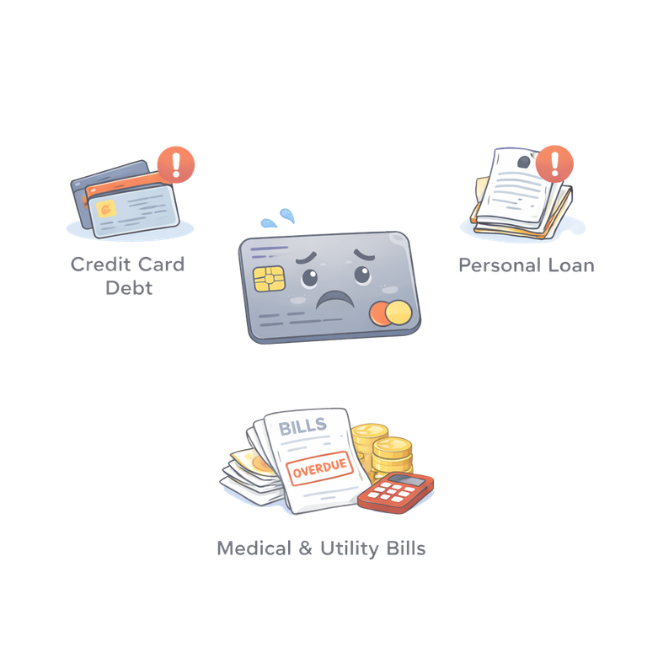
In most cases, no.
Debts are handled through the estate, not by heirs personally. Creditors must follow a legal process. They cannot demand payment from loved ones unless those loved ones were legally responsible for the debt, such as co-signers or joint account holders.
What Usually Happens
After probate begins, the executor or personal representative gathers information about outstanding debts. Creditors are notified. There is a structured order in which claims are reviewed and paid.
Secured debts, taxes, and certain priority obligations are addressed first. If the estate does not have enough assets to pay every claim, some debts may remain unpaid. Heirs are not required to cover the shortfall from their own funds.
What You Should Not Do
- Do not pay debts from your personal account.
- Do not promise payment before reviewing documentation.
- Do not distribute estate assets before claims are properly handled.
Acting too quickly can create avoidable complications.
When Responsibility May Exist
There are exceptions. You may be responsible if:
- You co-signed a loan
- You are a joint account holder
- State law places certain obligations on a surviving spouse
These situations depend on specific facts and state law.
A Measured Approach Matters
During probate, structure protects everyone involved. The process ensures debts are addressed fairly and in order. Understanding what applies prevents unnecessary fear and protects the estate from being reduced improperly.
This article is for informational purposes only and does not constitute legal or financial advice.