





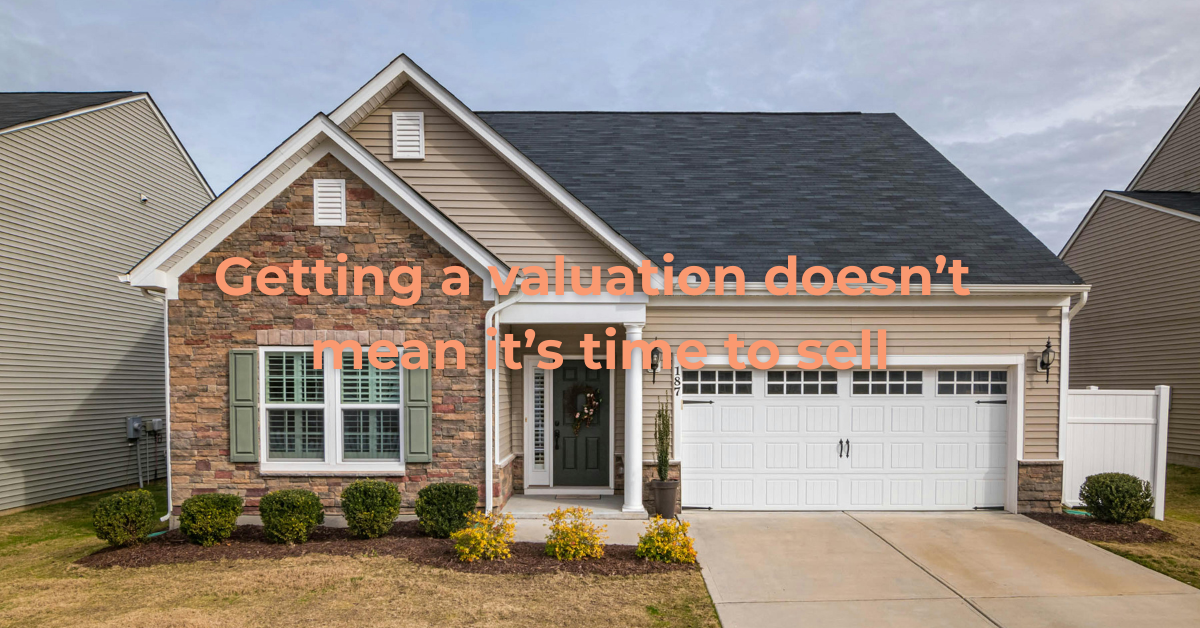
When a loved one passes and leaves behind a home, one of the first responsibilities that often arises is understanding the property’s value. For those serving as executors or personal representatives, knowing what the home is worth is essential before any decisions are made — whether that means holding the property, transferring it, or preparing it for sale.
Valuation Comes Before Any Decision
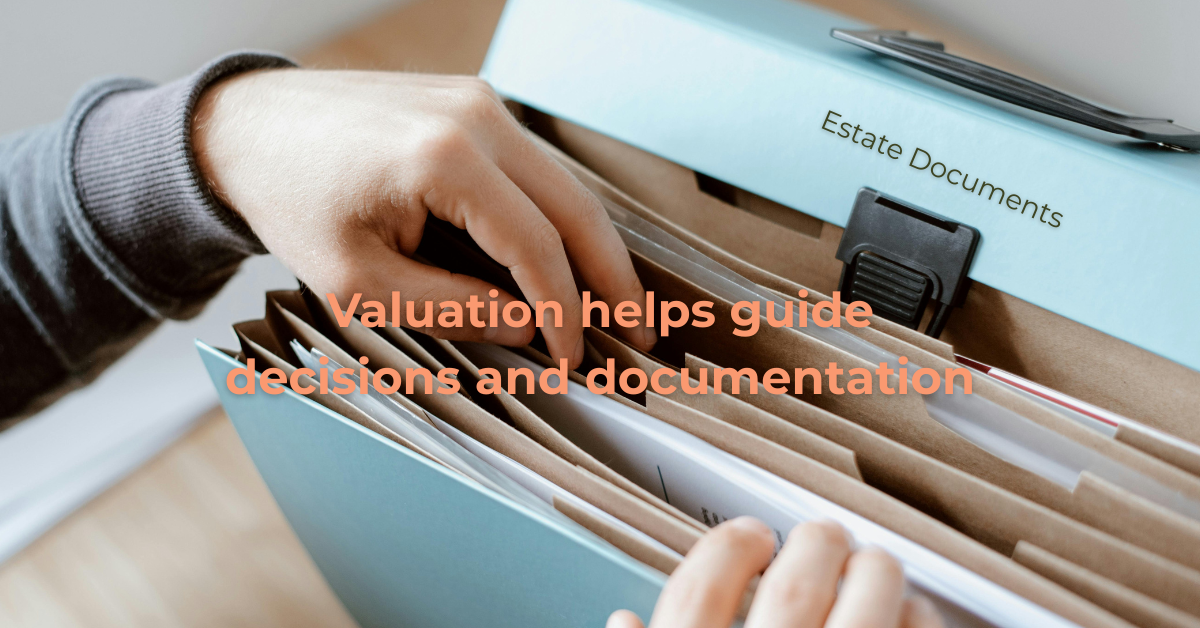
Getting the property valued early in probate is not a commitment to sell. It is a way to understand how the real estate fits into the overall estate. This information is needed to complete court-required documentation, but it also supports the personal representative in making informed decisions throughout the process.
This initial valuation can also be helpful if questions arise later. It offers a clear reference point for heirs, attorneys, or anyone involved in resolving the estate. If time passes before any transfer or sale occurs, the value can be updated, but starting with accurate numbers early on helps prevent unnecessary guesswork.
Why It Matters for the Estate
The value of the property will influence how the estate is documented, whether any taxes apply, and how final costs are covered. If the estate includes debts, knowing what the real property is worth helps determine what resources are available. It also allows the personal representative to plan ahead, rather than react under pressure later.
In families with more than one heir, each person may have a different view on what should happen to the home. One may want to sell. Another may want to keep it. When the value is clear and supported by documentation, it removes one of the most common points of disagreement. It keeps the discussion focused and grounded.
The valuation also offers protection for the person managing the estate. If a decision is questioned later, the record of how the value was determined shows that steps were taken with care and transparency.
The Value of Time and Clarity
Probate can feel rushed — even when it isn’t. There may be deadlines for filings. There may be pressure from creditors. There may be expectations from heirs. Having a valuation in place gives everyone room to think clearly. It provides a fixed point that allows the process to continue without jumping ahead to outcomes that may not be necessary.
It also helps avoid the influence of outside voices. Probate properties sometimes attract unsolicited interest. If someone approaches with an offer before you’ve had time to assess the home properly, having a documented valuation gives you something to stand on. You don’t need to answer with uncertainty or guess. You have facts.
Taking Care of the Property
Early in probate, it’s also important to keep the home protected. That may include updating insurance, arranging access, or confirming that taxes and utilities are current. A valuation can help identify what condition the home is in and whether any issues should be addressed right away.
This is not about preparing the home for sale. It’s about keeping the property — and the estate — stable while things are being sorted out. Every decision doesn’t need to be made at once. But taking small, informed steps early on helps prevent bigger problems later.
It also respects what the home means. For many families, this is more than a structure. It carries history and personal meaning. Whether it’s kept, passed on, or sold, it should be handled with clarity and care.
Who Can Provide the Valuation
While a broker’s opinion of value is sometimes used, it is not the only option. A professional with real estate experience — especially one familiar with probate — can provide a written assessment that reflects local conditions and current market expectations.
What matters most is not the title of the person providing the valuation, but their ability to assess the property fairly and communicate that clearly. Probate is not the same as a routine real estate transaction. It requires a level of thoughtfulness and understanding that goes beyond simple pricing.
The Valuation Is Not the Decision
One of the most important points to remember is that a valuation is not a step toward selling. It’s a way to pause and see where things stand. It provides information — nothing more. What you do with that information can be decided later, once all the pieces of the estate are understood.
Whether the home is ultimately sold, kept, or transferred, it should be part of a plan — not a reaction. And that plan begins with facts, not assumptions.
Moving Forward with Confidence

Probate often brings unfamiliar responsibilities, especially when real estate is involved. But when handled thoughtfully, these decisions can be made without pressure or confusion. A professional valuation early in the process gives heirs, representatives, and legal professionals the foundation they need to move forward with confidence.
At Pillar Beacon Partners’ Probate Real Estate Services, we support loved ones during these moments — helping you understand your options, prioritize your steps, and protect what matters.
If you have questions about handling a home during probate,
CONTACT US TODAYWe offer clear information and experienced support to help you make informed, timely decisions.