




Probate Real Estate
Probate Real Estate
Transactions
Court Oversight, Required Approvals
Probate Real Estate Transactions
Probate Real Estate Services involve court oversight and required approvals.
The process may include property valuation, disclosures, court filings, and a court-approved sale. Learn more about the role of property valuation during probate.
Pillar Beacon Partners provides educational information about probate real estate services and works with real estate professionals who handle probate-related transactions.


Probate Real Estate and Court Process
Probate real estate transactions are often subject to court oversight, required filings, and legal approvals before a property can be sold.
Pillar Beacon Partners provides educational information and helps connect individuals with experienced probate real estate professionals when appropriate.

Probate Real Estate Scope
Probate real estate may involve property valuation, required disclosures, court procedures, and coordination with professionals throughout the process.
The specific responsibilities, timing, and requirements depend on the estate, the property, and applicable court procedures.
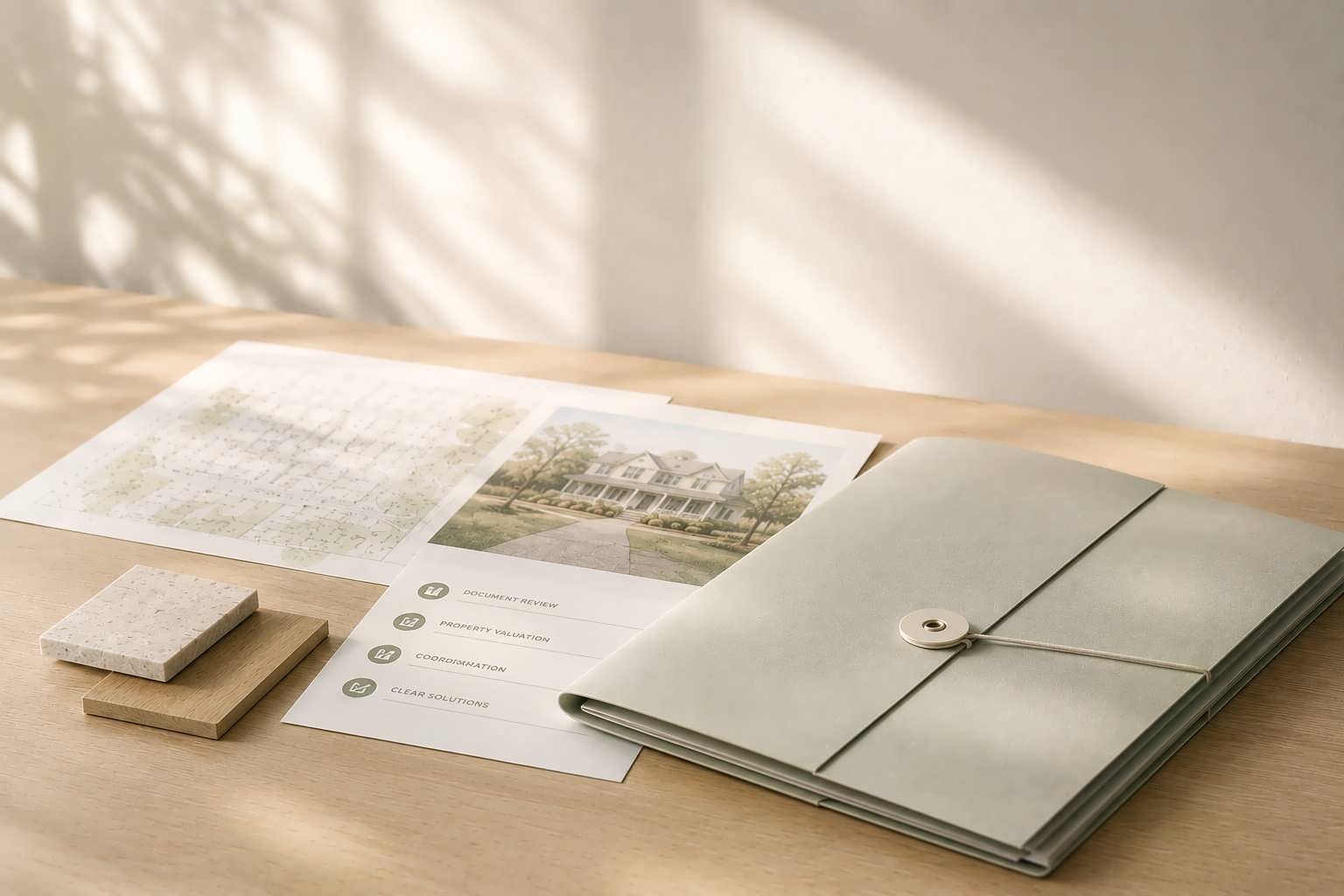
Tailored Solutions for Every Unique Case
Every probate property presents different circumstances, responsibilities, and timelines. No two estates follow exactly the same path.
When appropriate, we help connect individuals and families with experienced professionals whose knowledge matches the specific needs of each estate.
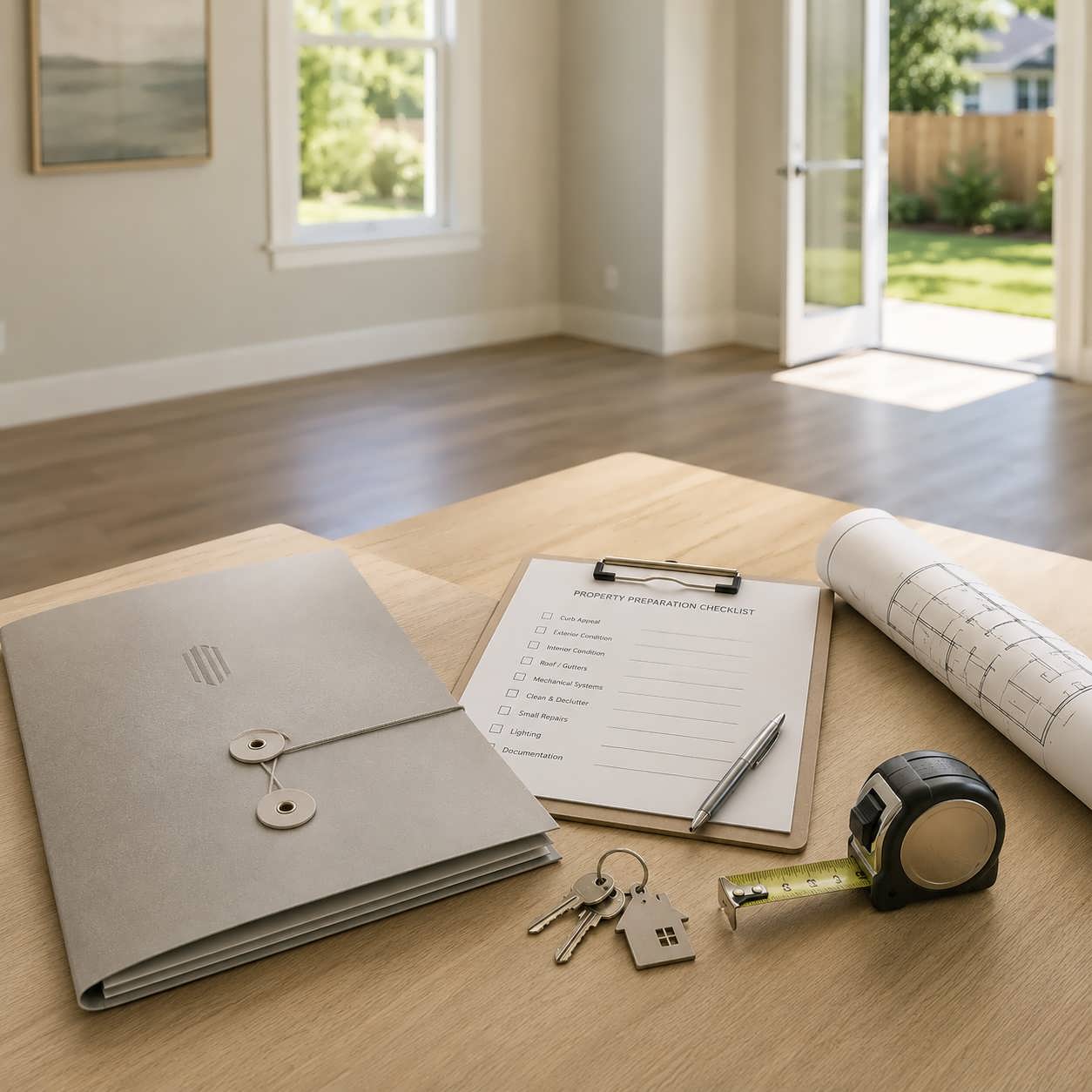
Enhancing Property Value, Even in Constraints
Preparing a property for sale may involve improvements, maintenance, or other practical considerations that influence market value.
When appropriate, experienced professionals can help identify practical options based on the property's condition, the estate, and available resources.

Responsive Communication and Client-Centered Feedback
Clear communication helps families understand what to expect throughout the probate real estate process.
We value responsiveness and thoughtful communication, helping connect individuals with professionals who provide timely information and appropriate guidance.

A Commitment to Excellence and Client Satisfaction
Every probate real estate matter deserves careful attention, professionalism, and respect for the responsibilities involved.
We are committed to providing reliable educational resources and thoughtful connections that help support informed decisions throughout the process.
FAQ
Frequently Asked Questions About Probate Real Estate Transactions
Probate real estate transactions often involve legal requirements, court procedures, and responsibilities that differ from traditional property sales. The questions below address some of the topics individuals and families ask most often.
Select a question to view the answer. If you need additional information, please contact Pillar Beacon Partners.
What is Real Estate Probate?
Real estate probate is the legal, court-supervised process of transferring property ownership after the owner's death. If a valid will exists, the court ensures the property is distributed according to the deceased's wishes. If there is no will, state laws determine how the property is divided. During probate, the court also ensures any outstanding debts and taxes are paid before the property is transferred to the rightful heirs or beneficiaries.
How Does the Probate Process Work for Real Estate?
he probate process for real estate typically involves several key steps:
-
Validating the Will: The court confirms the will’s authenticity.
-
Appointing an Executor or Personal Representative: This individual manages the estate’s affairs.
-
Inventorying Assets: All real estate and other assets are identified and valued.
-
Paying Debts and Taxes: Outstanding debts, taxes, and expenses are settled using estate funds.
-
Distributing Property: Once all obligations are met, the property is transferred to the rightful heirs or beneficiaries as determined by the will or state law.
Each step ensures the process is handled fairly and according to legal requirements.
What Happens to a Property in Probate?
During probate, the property is overseen by the executor or personal representative. Their responsibilities include:
-
Managing and Maintaining the Property: Ensuring the property remains in good condition.
-
Paying Property Taxes and Expenses: Using estate funds to cover ongoing costs.
-
Determining the Property's Future: Depending on the will’s instructions or state laws, the property may be transferred to heirs or sold to settle debts or distribute proceeds.
The executor’s role is to follow legal requirements and act in the best interest of the estate and its beneficiaries.
Can Real Estate Be Sold During Probate?
Yes, but it typically requires court approval and must follow specific legal procedures to ensure fairness and transparency.
How Long Does the Probate Process Take for Real Estate?
It varies, usually taking several months to over a year, depending on estate complexity, legal challenges, and specific state laws.
Who Manages the Property During Probate?
The executor or personal representative manages the property, handling maintenance, taxes, and decisions about selling or renting.
What Are the Responsibilities of an Executor in Real Estate Probate?
The executor handles estate administration, including managing real estate, paying debts and taxes, and distributing assets to beneficiaries.
How Are Real Estate Taxes Handled in Probate?
The executor is responsible for ensuring all property taxes are paid up to the date of transfer to the new owners.
What Happens if There Are Multiple Heirs to a Probate Property?
The property is either divided among the heirs, sold and proceeds divided, or one heir buys out the others, depending on the will or state laws.
Can a Probate Property Be Rented Out During the Probate Process?
Yes, if it's in the estate's best interest, but it typically requires court approval and proper management by the executor.
How Is Property Valued and Appraised in Probate?
A professional appraiser is usually hired to determine the fair market value of the property for tax purposes and equitable distribution or sale.
Are There Any Special Considerations for Selling Real Estate in Probate?
Yes, including obtaining court approval, following specific legal procedures, and possibly selling the property through a probate auction.
How Do You Handle Mortgages and Liens on Probate Properties?
The executor must address any mortgages or liens, either by paying them off, transferring them to heirs, or considering them in the property's sale.
What Legal Documents Are Needed for Real Estate Probate?
Key documents include the will, death certificate, property deeds, and court documents appointing the executor.
Can Probate Real Estate Transactions Be Contested?
Yes, by heirs or beneficiaries who may dispute the will's validity, property valuation, or the handling of the estate.
What Are the Costs Associated with Real Estate Probate?
Costs include court fees, attorney fees, appraisal and property maintenance costs, and potential taxes.
How Can I Avoid Common Pitfalls in Real Estate Probate?
Understanding the probate process, maintaining accurate records, communicating clearly with beneficiaries, and seeking appropriate professional guidance when needed can help reduce delays and misunderstandings.
What Role Does a Real Estate Attorney Play in Probate?
They provide legal guidance, help explain complex probate laws, and help ensure the process complies with applicable legal requirements.
How Does Probate Differ When There Is No Will?
The estate is distributed according to state intestacy laws, which determine heirs and their shares.
What Are the Rights of Tenants Living in a Probate Property?
Tenants retain their rights under the lease agreement, and the executor must honor these terms during probate.
How Do State Laws Affect Real Estate Probate?
State laws dictate probate procedures, heirship rights, and property distribution, which can vary significantly between states.
Can Probate Real Estate Be Transferred to Heirs Without Selling?
Yes, if the will specifies or if all heirs agree to the transfer instead of selling.
What Happens to Jointly Owned Property in Probate?
If owned as joint tenants with right of survivorship, it passes directly to the surviving owner(s), bypassing probate.
How Can Probate Real Estate Professionals Help?
Depending on the circumstances, probate real estate professionals may assist with property valuation, preparing a property for sale, understanding local market conditions, and coordinating the transaction within applicable probate requirements. Their role varies based on the estate, the property, and state law.
What Steps Can I Take to Prepare for Real Estate Probate?
Seek legal advice, understand the estate's assets and debts, gather important documents, and consider a probate real estate specialist.
If you have questions or would like additional support, we’re here to help.
Your feedback is welcome and helps us continue refining the guidance we provide.

Streamline Selling Probate Property
Probate real estate support
From court-required approvals to coordinated transactions, Pillar Beacon Partners connects you with professionals who understand the sequence and the responsibility involved.
Get in Touch
Connect with Our Real Estate Probate Experts
If you’re handling real estate matters in probate, we’re here to help. Please fill out the form below, and our team will contact you to discuss how we can support your specific needs.
Your privacy is important to us. All information provided will be handled with strict confidentiality and used solely for the purpose of this inquiry.